

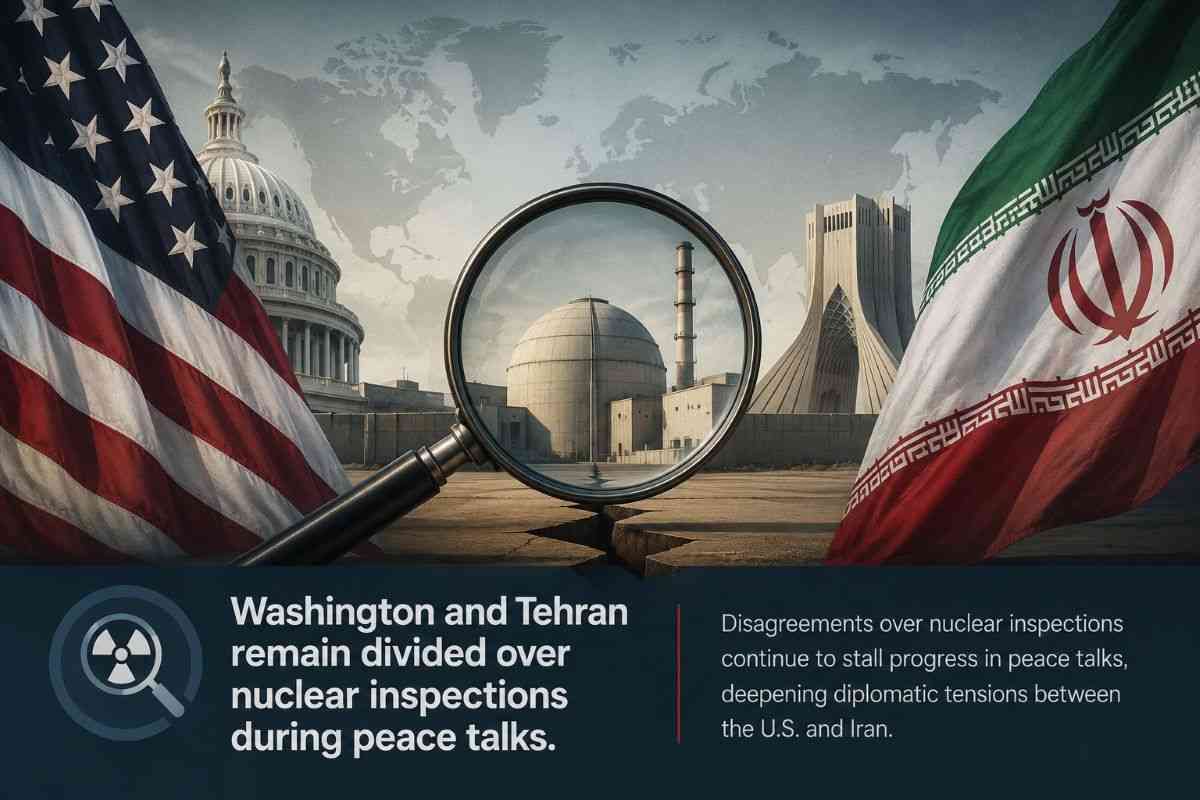
Direct diplomatic negotiations between the United States and Iran have hit a significant hurdle, as both nations issued contradictory statements regarding international monitoring of Tehran’s nuclear facilities. The dispute comes amidst a 60-day negotiating window established by a recent memorandum of understanding that temporarily paused regional military conflict.
US President Donald Trump and Vice President JD Vance recently stated that Iran had consented to the reinstatement of International Atomic Energy Agency (IAEA) inspectors, promising the “highest level” of scrutiny. However, Iranian officials quickly dismissed these assertions. Foreign Ministry spokesperson Esmaeil Baghaei clarified that Tehran has not established a timeline for any oversight visits, noting that no meetings had taken place with IAEA leadership during the recent Swiss summits.
Iranian President Masoud Pezeshkian emphasised that no binding agreements regarding the nuclear programme were finalised in Switzerland. Iranian sources indicated that any official decision to readmit inspectors must be formally approved by the country’s Supreme National Security Council. Furthermore, significant logistical issues complicate potential inspections, given that major enrichment facilities in Isfahan, Fordow, and Natanz sustained severe damage from previous US bombing.
Despite the diplomatic friction, IAEA Director-General Rafael Grossi expressed confidence during a press conference in Tokyo, asserting that agency officials would ultimately return to the enrichment sites. Grossi stated that while the exact timing remains undecided, the resumption of inspections is guaranteed to occur.
The nuclear impasse is not the sole friction point threatening the fragile peace framework. Disagreements have also intensified regarding maritime control over the critical Strait of Hormuz. US Secretary of State Marco Rubio declared that Iran would be prohibited from collecting tolls from transit vessels once a permanent agreement is finalised. This position was echoed by Qatari Prime Minister Sheikh Mohammed bin Abdulrahman bin Jassim Al Thani, who rejected any Iranian attempts to enforce fees on Qatar’s primary maritime corridor. Tehran has countered, insisting that shipping regulations will not revert to pre-war standards.
Financial arrangements under the interim agreement have sparked further contention. While Washington maintains that $12 billion in unfrozen Iranian assets must be spent exclusively on American agricultural imports, Tehran asserts complete autonomy over how the funds are deployed. Additionally, President Pezeshkian firmly stated that Iran’s ballistic missile development is entirely excluded from the scope of the current diplomatic talks.